Dubai’s architectural landscape extends far beyond its most recognisable landmarks. Across the city, museums, cultural institutions, commercial and hospitality developments, and large-scale urban districts reflect the work of internationally renowned architects and engineering firms, while exploring a wide range of approaches to contemporary design.
This journey through Dubai’s architecture brings together projects that reveal different dimensions of Dubai’s built environment, from symbolic civic buildings and museums to mixed-use developments, hospitality architecture and masterplanned districts. Rather than proposing a fixed itinerary, it offers an overview of the architectural ideas, typologies and urban ambitions shaping the city today.
Etihad Museum
Located next to Union House, where the UAE’s founding agreement was signed in 1971, Etihad Museum combines exhibition spaces with architecture that references the country’s formation.
Much of the museum is built below ground level in order to preserve the historic site, while the entrance pavilion takes the form of a scroll-like manuscript. Its seven bronze columns reference the pens used to sign the Union Agreement.
Inside, the galleries are organised around courtyards, circulation spaces and glazed surfaces that bring natural light into the building. The project combines contemporary museum design with references to the historical significance of the site.
One Za’abeel
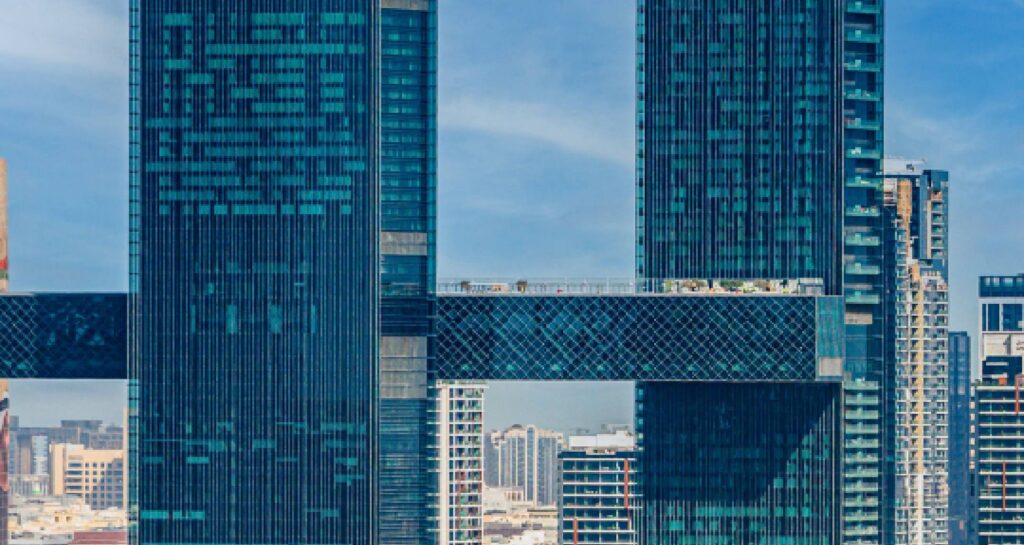
One Za’abeel is a mixed-use development made up of two towers connected by The Link, a dramatic suspended structure that holds the Guinness World Records title for the longest cantilevered building in the world.
The development brings together offices, hospitality and retail functions. The suspended connection forms the project’s defining architectural gesture, creating a striking relationship between the two towers and the surrounding skyline.
ICD Brookfield Place
Designed by Foster + Partners, ICD Brookfield Place is located in DIFC and combines office space, retail areas and public amenities within a mixed-use development.
The project is organised around a five-storey summer garden that connects different parts of the building and creates a shared public realm within the complex. Its four-storey A-frame entrance is one of the building’s defining structural features, while the wider design strengthens pedestrian links within the surrounding urban environment.
DIFC
Beyond individual buildings, DIFC offers an opportunity to observe the relationship between commercial architecture, public space and pedestrian movement. The district combines office towers, public art, retail and landscaped areas within a compact urban setting.
Walking through the area offers a broader perspective on how contemporary commercial developments are integrated into the city.
The Opus
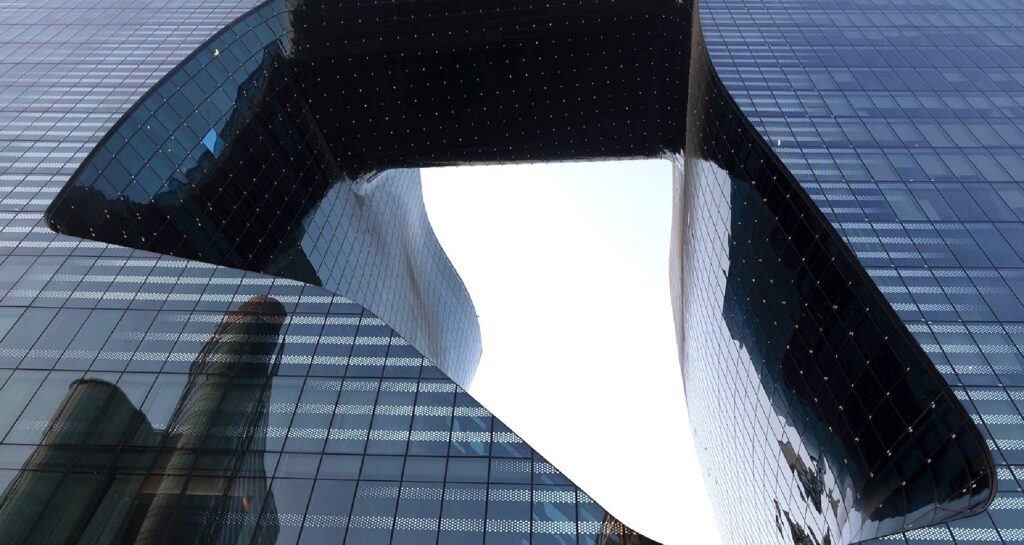
Designed by Dame Zaha Hadid, The Opus is defined by a cube-shaped volume with a free-form void carved through its centre. According to Zaha Hadid Architects, it is the only hotel in which the firm designed both the architecture and the interiors to such an intricate degree.
That central void shapes the building’s overall composition and changes appearance depending on the viewing angle and the light, becoming its most recognisable architectural feature.
Expo City Dubai
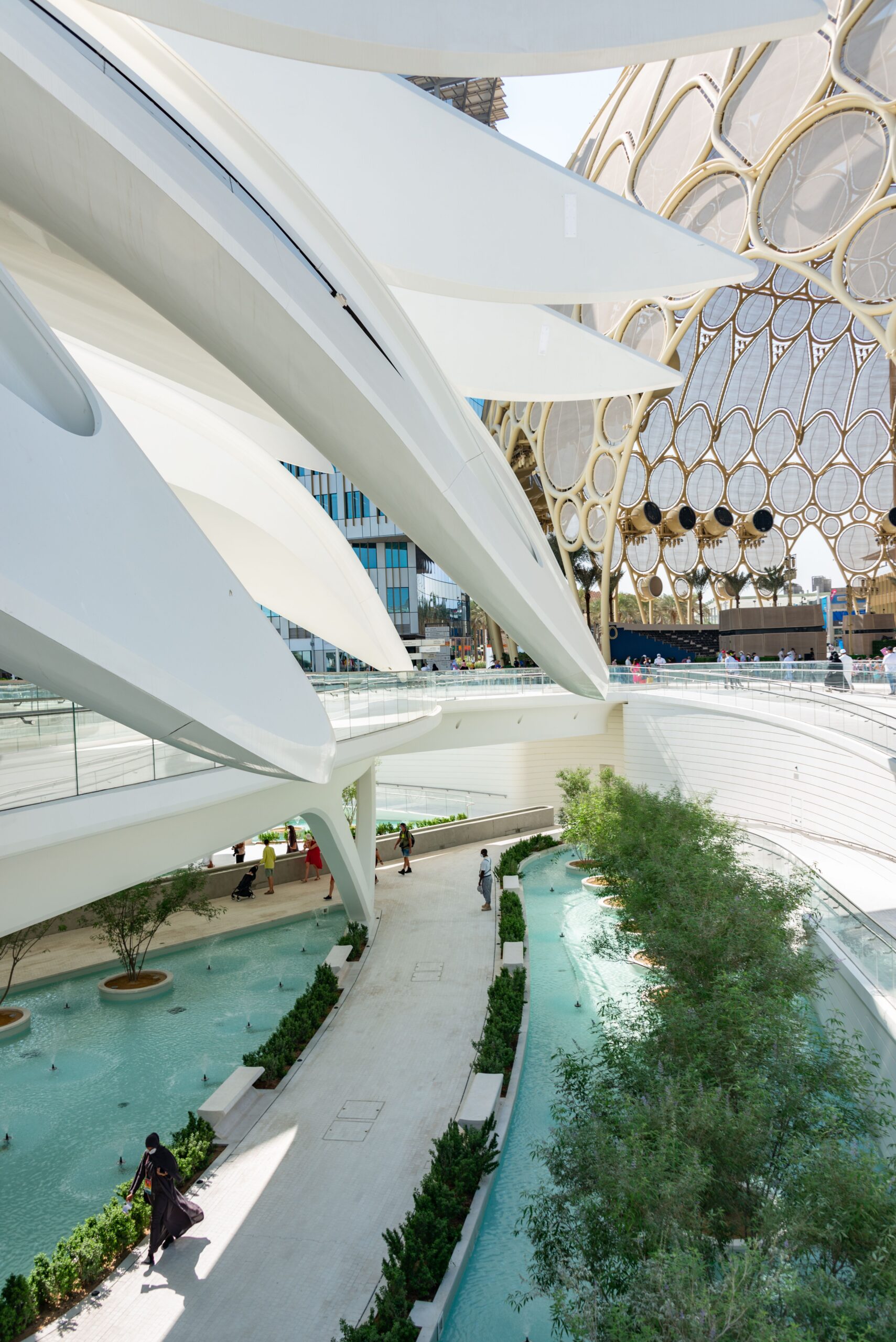
Expo City Dubai occupies the former Expo 2020 Dubai site and is being developed as a mixed-use district focused on sustainability, business, culture and long-term urban living.
Its wider framework incorporates public space, mobility and environmental planning as part of an evolving urban strategy. Individual buildings, including Terra, contribute to the district’s architectural identity while also forming part of a larger masterplan.
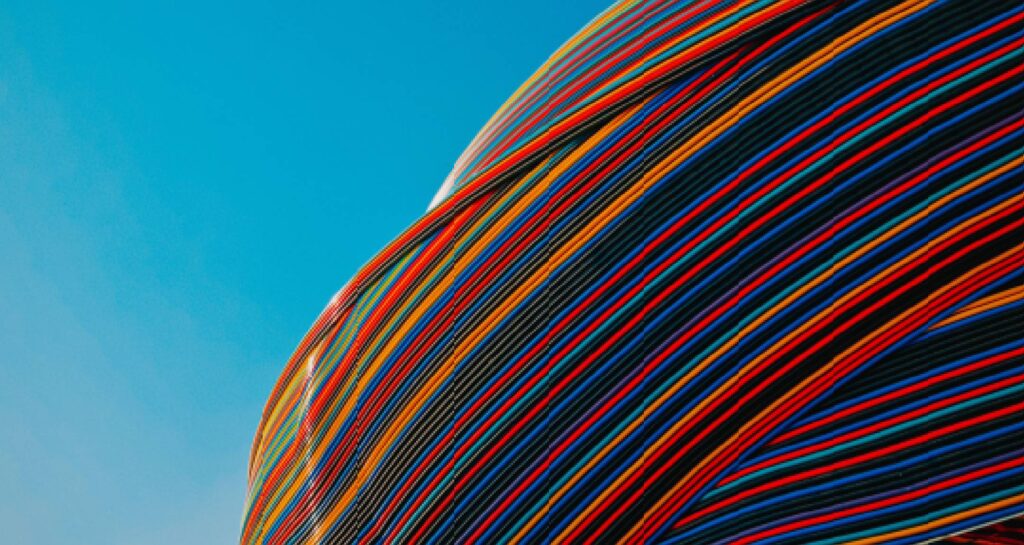
Jumeirah Marsa Al Arab
Designed by Killa Design, Jumeirah Marsa Al Arab is located along Dubai’s coastline on a reclaimed peninsula. Its exterior design draws on the language of ultra-yachts and forms part of the wider Jumeirah hospitality portfolio.
The project combines hospitality architecture with waterfront landscaping and public-facing coastal spaces.
Selected Contemporary Landmarks
Taken together, these projects represent a range of architectural typologies across Dubai, including museums, office developments, hospitality destinations and large-scale urban districts. They also reflect different design approaches, from symbolic architecture and structural ambition to masterplanning and mixed-use development.
Visiting the Sites
These locations are spread across different parts of Dubai and can be visited independently or combined according to individual schedules. Taxis and ride-hailing services offer convenient connections between districts including DIFC, Za’abeel and Expo City Dubai.
Planning your next trip to Dubai? Explore travel offers with Trip.com.
This article contains affiliate links. When you book through our links, we receive a small commission at no extra cost to you. This helps us create free, quality content.
Editor’s note: This article is an independent editorial piece. It is not sponsored by, affiliated with, or officially endorsed by any of the places mentioned. Opening hours, exhibitions, and access conditions may change, so readers are encouraged to check the official websites before visiting. Zayra Living is an independent editorial platform and is not the official website of the attractions mentioned. This article may contain affiliate links to third-party booking platforms