
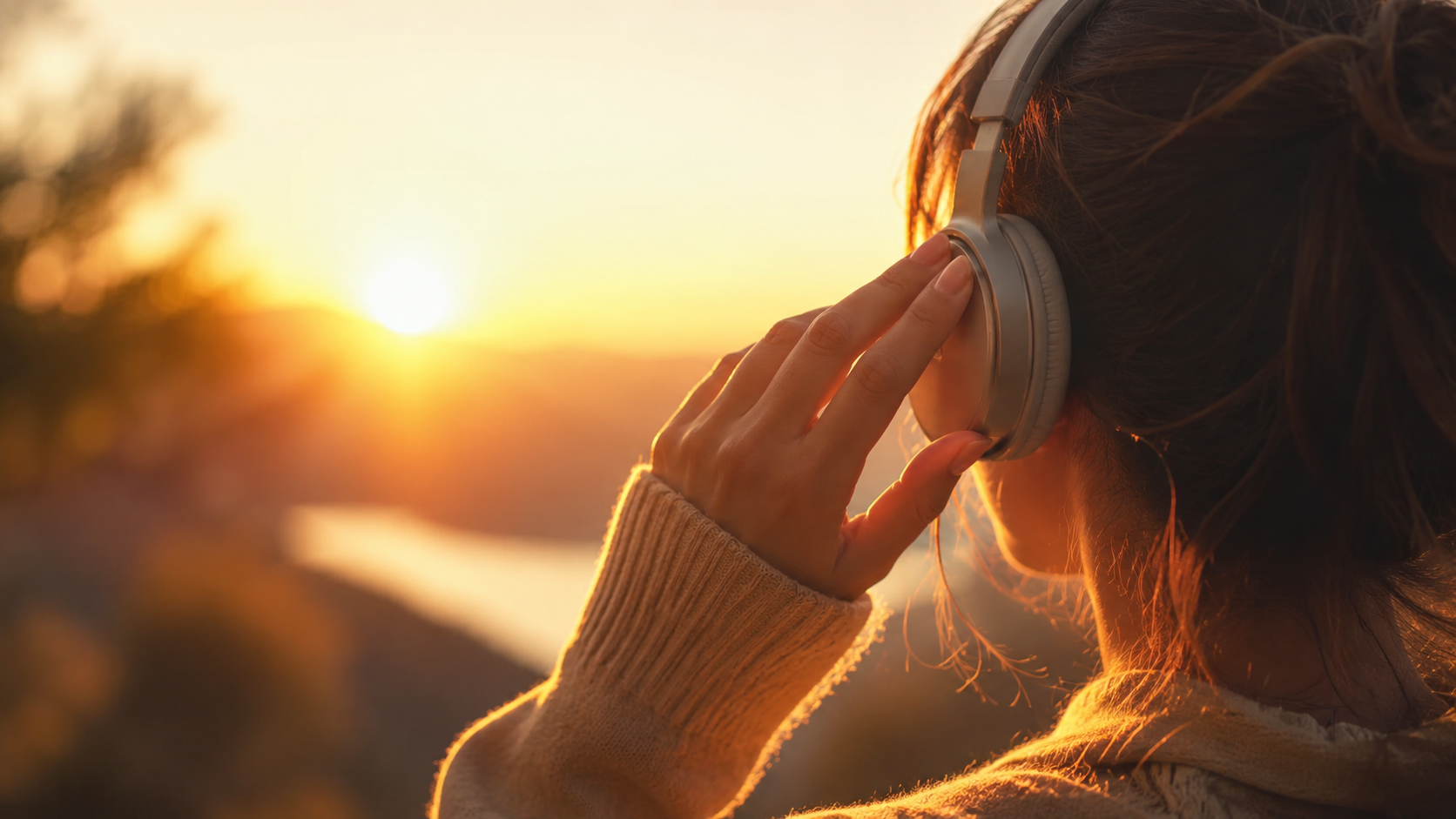
For years, music became something we carried everywhere: in our phones, headphones, cars and daily routines. Streaming made listening instant, personal and almost invisible.
A song could follow us from a morning walk to a hotel lobby, from a flight to a late-night taxi ride. But today, something different is happening. Music is becoming spatial again. It is no longer only something we listen to; it is something we enter.
Across hospitality, evening events, design and culture, sound is increasingly being treated as part of the experience of a place. Listening bars, immersive concerts, sound-led installations and wellness rituals are changing the way people engage with music. In these spaces, the playlist is not just background music. The lighting, acoustics, furnishings and overall atmosphere of the place help turn listening into an experience.
This shift can be seen in the rise of listening bars, a format inspired by Japanese jazz kissaten and reinterpreted for contemporary cities. These venues are built around intentional listening: high-quality sound systems, curated records, low lighting and interiors designed to make people slow down. Recent design commentary has also highlighted how listening bars are turning speakers, lighting and acoustic design into central elements of the atmosphere, rather than technical details hidden in the background.
At the same time, technology is expanding what live music can feel like. Spatial audio, 360-degree sound and immersive video are transforming concerts into more cinematic experiences. Instead of sound coming from one direction, audiences can feel surrounded by it. Venues and artists are experimenting with formats that place the listener inside the performance, whether through large-scale immersive arenas, virtual reality concerts or advanced spatial sound systems. AP reported, for example, on immersive concert experiences created for Apple Vision Pro, using high-resolution 180-degree video and spatial audio to make viewers feel closer to the performance.
But the new music experience is not only about spectacle. Sound baths, deep-listening sessions and music-led wellness rituals show another side of the trend: music as a way to slow down, focus and reconnect with the body. In a culture shaped by endless scrolling and constant notifications, listening becomes almost luxurious. Attention itself becomes part of the experience.
For hotels, restaurants, concept stores and lifestyle spaces, this matters. Music can define the rhythm of a dinner, the mood of a lobby, the memory of a stay or the identity of a brand. The best spaces are no longer designed only for the eye. They are designed for atmosphere. And atmosphere has a sound.
The future of music still live on streaming platforms, but its most interesting evolution is happening elsewhere: in rooms, clubs, galleries, wellness spaces and destinations where sound becomes physical. After years of endless playlists, we may be rediscovering the pleasure of truly listening.
Ready to discover your next soundtrack? Explore Amazon Music and find songs, playlists and podcasts for every mood, journey and moment. Click here to start your free trial.
This article contains affiliate links. When you book through our links, we receive a small commission at no extra cost to you. This helps us create free, quality content.